
Agra at a Glance
Agra is a city rich in history, where every monument tells a story, blending the past and present into a memorable place to visit. Located by the Yamuna River in Uttar Pradesh, India, Agra is famous for the Taj Mahal, a symbol of love. However, the city has much more to offer, with a variety of cultural, architectural, and ethical experiences that appeal to all kinds of travelers.
Once the capital of the Mughal Empire, Agra is filled with impressive forts, beautifully crafted tombs, and lively markets that share stories of emperors, artists, and thinkers. From the majestic Agra Fort made of red sandstone to the elegant Baby Taj, each landmark adds to the city’s unique narrative.
Agra is also a place for those looking for peace and meaning. The largest Sikh temple, Guru Ka Taal, provides a calm spiritual space and offers free meals to everyone, showcasing its welcoming spirit. For those interested in responsible tourism, the Wildlife SOS Elephant Conservation and Care Center offers a touching experience that emphasizes the importance of caring for animals.
Whether you are watching the sunrise over the Taj Mahal, strolling through Mughal gardens like Mehtab Bagh, or visiting the historic ghost city of Fatehpur Sikri, Agra offers countless moments of wonder and reflection.
Is Agra worth visiting?
If you’re planning a trip to India, you might be wondering, is Agra worth visiting? The short answer is absolutely! While the Taj Mahal is undoubtedly the city’s biggest attraction, there’s so much more to discover in Agra beyond the Taj Mahal.
Having spent several days exploring Agra, I can confidently say that this historic city deserves more than just a quick day trip from Delhi. From magnificent Mughal architecture and fascinating historical sites to peaceful temples and delicious local food, Agra offers a much richer experience than many travellers expect.
Of course, seeing the Taj Mahal in person is unforgettable, but some of my favourite experiences came from exploring other parts of the city. Agra Fort impressed me with its grand architecture and fascinating history, while Itimad-ud-Daulah (Baby Taj) offered a quieter alternative to the crowds. Visiting Gurudwara Guru Ka Taal, a beautiful Sikh temple, was another memorable experience and showed me a completely different side of Agra.
If you’re interested in history, culture and authentic travel experiences, I would recommend spending at least two days in Agra rather than rushing through the main attractions in a single day. This gives you time to explore at a comfortable pace, discover lesser-known places and enjoy some of the city’s excellent food.
So, is Agra worth visiting beyond the Taj Mahal? Definitely. The Taj Mahal might be the reason you come to Agra, but the city’s history, culture and hidden gems are what make staying longer worthwhile.
How Many Days Do You Need in Agra?
If you’re planning your India itinerary, you might be wondering, how many days in Agra are enough? While many travellers visit Agra on a day trip from Delhi, I personally recommend spending at least 2 days in Agra to explore beyond the Taj Mahal.
During my visit, I spent several days exploring the city, and I’m glad I didn’t rush. From magnificent Mughal architecture and peaceful temples to delicious local food, Agra has much more to offer than you might expect.
2 Days in Agra Itinerary: What to See and How Much It Costs
For first-time visitors, I think a 2 days in Agra itinerary offers the perfect balance between sightseeing and exploring the city at a relaxed pace.
Day 1: Explore Agra’s Famous Landmarks
- Taj Mahal: Start your morning at India’s most iconic monument. Arrive early to avoid the crowds. Entry: ₹50 for Indians, ₹1,100 for foreigners, plus ₹200 per person to visit the main marble mausoleum.
- Agra Fort: Discover this magnificent UNESCO World Heritage Site, with its impressive palaces, courtyards and views of the Taj Mahal. Entry: ₹50 for Indians, ₹650 for foreigners.
- Mehtab Bagh: Finish your day enjoying a different perspective of the Taj Mahal from across the Yamuna River. Entry: ₹25 for Indians, ₹300 for foreigners.
Day 2: Discover Agra Beyond the Taj Mahal
- Itimad-ud-Daulah (Baby Taj): Visit this beautiful marble tomb, known for its intricate architecture and quieter atmosphere. Entry: ₹30 for Indians, ₹310 for foreigners.
- Gurudwara Guru Ka Taal: Explore this peaceful Sikh temple, one of my favourite experiences in Agra. Entry: FREE for everyone.
- Local food: Try Agra’s famous petha sweets and enjoy authentic North Indian dishes.
- Sadar Bazaar: Explore this lively local market for souvenirs, street food and a glimpse of everyday life in Agra. Entry: FREE.
My Recommendation: How Long to Stay in Agra
Based on my own experience, 2 nights in Agra is ideal for most first-time visitors. It gives you enough time to visit the main attractions, explore some lesser-known places and enjoy the city without rushing.
We actually visited the Taj Mahal twice during our stay! The first time was with a private driver and guide, and the second time we explored independently.
If you’re travelling along India’s Golden Triangle route between Delhi, Agra and Jaipur, I would definitely recommend staying overnight rather than treating Agra as a quick day trip.
Travel tip: The Taj Mahal is closed to general visitors on Fridays, so plan your visit accordingly. Entrance prices are per adult and may change, so check official ticket prices before travelling.
How to Get to Agra from Delhi?
If you’re planning a trip to Agra, you’ll be pleased to know that getting there from Delhi is relatively straightforward. There are several Delhi to Agra transport options, including trains, buses and private taxis, depending on your budget and travel preferences.
The journey from Delhi to Agra is approximately 230 km by road and usually takes around 3.5–5 hours, depending on traffic and your starting point.
Delhi Airport to Agra Private Taxi – My Experience
For our trip, I decided to book a Delhi airport to Agra private taxi, and I’m so glad I did!
After a long flight from England, the last thing I wanted was to navigate busy railway stations or organise additional transport with our luggage.
We arranged a private transfer directly from Indira Gandhi International Airport in New Delhi to our hotel in Agra.
Our driver was already waiting when we arrived, helped with our luggage and made the journey comfortable and stress-free. We were also able to stop along the way whenever we needed a break.
The drive took approximately 4–4.5 hours, and having a private car meant we could relax after our long journey.
My tip: If you’re travelling with several suitcases, consider booking a larger vehicle rather than a standard car. It makes a big difference to your comfort, especially on longer journeys!
I wouldn’t personally recommend hiring a self-drive car in India if you’re unfamiliar with local driving conditions. Traffic can be hectic, and having an experienced local driver makes travelling between cities much easier.
Delhi to Agra by Train
Travelling by train is one of the most popular and affordable ways to reach Agra. India’s extensive railway network connects Delhi with Agra, with several daily services available.
The Gatimaan Express and Vande Bharat Express are among the faster options, with some journeys taking around 1.5–2 hours. However, remember to factor in travelling to and from the railway stations.
Delhi to Agra by Bus
Buses are another budget-friendly option, with government-operated and private services running between Delhi and Agra.
Where to Book a Delhi to Agra Private Transfer
Although travelling by bus is generally cheaper than booking a private transfer, journeys can take longer and may be less comfortable, especially if you’re travelling with luggage.
If you’re looking for a reliable Delhi to Agra airport transfer, I recommend comparing prices and availability on both Booking.com and GetYourGuide.
- Booking.com Airport Taxis: [Book your Delhi airport to Agra taxi here]
- GetYourGuide Private Transfers: [Check Delhi to Agra private transfer options here]
I recommend booking your transfer in advance, particularly if you’re arriving in Delhi after a long international flight. Having your transport organised before you land makes the start of your India trip much easier.
My recommendation: Although trains are an excellent option for budget-conscious travellers, I would personally choose a private taxi again, especially when travelling directly from Delhi airport to Agra with luggage.
Best Things to Do in Agra
When most people think of Agra, the first thing that comes to mind is the Taj Mahal. And while this magnificent monument is undoubtedly the city’s biggest attraction, there are plenty of other things to do in Agra besides the Taj Mahal.
During my visit, I discovered that Agra has so much more to offer, from impressive Mughal forts and beautiful marble tombs to peaceful Sikh temples and lively local markets.
If you’re planning your Agra itinerary, here are some of the best places to visit in Agra that I would recommend adding to your list.
My Top Tips for Visiting Agra: Why I Recommend Booking a Guided Tour
Before sharing the best things to do in Agra, including the famous Taj Mahal and some of the city’s lesser-known attractions, I wanted to share a few tips from my own experience that might help you make the most of your visit.
One thing I would genuinely recommend, especially if you’re visiting Agra for the first time, is booking a guided tour of the Taj Mahal and Agra Fort.
I’ll admit, I’ve never really been someone who books guided tours when travelling. I usually prefer exploring independently and discovering places at my own pace. However, after spending time in India, my opinion has completely changed!
We booked a private driver and guide for our visit to the Taj Mahal and Agra Fort, and it turned out to be one of the best decisions we made during our trip.
Not only did it make getting between attractions much easier, but having a knowledgeable local guide meant we learned so much more about the history, architecture and fascinating stories behind the places we visited. Our guide also shared recommendations for local restaurants and things to see that we might otherwise have missed.
And, of course, there’s the added bonus of having someone who knows all the best photo spots and can take a few lovely pictures of you!
Another thing I appreciated was that we still had plenty of time to explore independently. Booking a private guided tour doesn’t necessarily mean being rushed from one attraction to another. You can usually agree on how much time you’d like to spend at each location, which is something I’d recommend discussing with your guide beforehand.
After all, it’s your holiday! Take your time, admire the beautiful architecture, enjoy the atmosphere and create memories rather than rushing through your Agra itinerary.
My tip for visiting the Taj Mahal: Try to arrive as early as possible, ideally around sunrise. The Taj Mahal is one of India’s most popular tourist attractions, and visiting early gives you a better chance of enjoying it before the biggest crowds arrive. The softer morning light is also beautiful for photography, and temperatures are generally much more comfortable than later in the day.
If you’re planning your own trip, I’ve included a link below to the Taj Mahal and Agra Fort guided tour experience we booked through GetYourGuide. I found it particularly worthwhile for our first visit, and it’s an option I’d happily recommend considering.
Explore the Taj Mahal & Agra Fort Guided Tour on GetYourGuide
I only recommend travel experiences I’ve personally tried and enjoyed, so you can be confident that my suggestions come from my own travels rather than simply a list of popular attractions.
Taj Mahal Agra
No trip to Agra would be complete without visiting the Taj Mahal, one of the Seven New Wonders of the World and a UNESCO World Heritage Site.
Seeing it in person was one of the highlights of my India trip. The sheer size, intricate marble details and beautiful gardens are even more impressive than photographs suggest.
We actually visited the Taj Mahal twice! The first time with a private guide, which was a fantastic way to learn about its history, and the second time independently so we could explore at our own pace.
Entrance fee: ₹50 for Indians, ₹1,100 for foreigners, plus ₹200 to enter the main marble mausoleum.
My tip: Visit early in the morning to avoid the crowds and remember that the Taj Mahal is closed to general visitors on Fridays.
Agra Fort
If you’re looking for things to do in Agra besides the Taj Mahal, Agra Fort should be at the top of your list.
This impressive UNESCO World Heritage Site was once the main residence of the Mughal emperors. Inside, you’ll find magnificent palaces, beautiful courtyards, intricate architecture and even views towards the Taj Mahal.
We visited with a private guide, and I really enjoyed learning about the history of the fort and the people who once lived there.
Entrance fee: ₹50 for Indians, ₹650 for foreigners.
My tip: Allow at least 1.5–2 hours to explore the fort properly.
Discover the Baby Taj (Itimad-ud-Daulah)
Often overlooked by visitors, Itimad-ud-Daulah, also known as the Baby Taj, is another beautiful monument worth adding to your Agra sightseeing itinerary.
This elegant marble tomb is famous for its intricate stone inlay work and is often considered an architectural predecessor to the Taj Mahal.
It’s generally much quieter than Agra’s main attractions, making it a lovely place to admire the architecture without the crowds.
Entrance fee: ₹30 for Indians, ₹310 for foreigners.
Enjoy the Views from Mehtab Bagh
If you want to see the Taj Mahal from a different perspective, head to Mehtab Bagh, a garden located across the Yamuna River.
It’s particularly popular with photographers because it offers beautiful views of the Taj Mahal from across the river.
Entrance fee: ₹25 for Indians, ₹300 for foreigners.
Visit Wildlife SOS Elephant Conservation and Care Center
If you’re looking for something a little different from Agra’s famous historical attractions, consider visiting Wildlife SOS, an organisation dedicated to rescuing and rehabilitating wildlife in India.
Located near Agra, Wildlife SOS operates rescue centres for elephants and sloth bears, many of which have suffered years of mistreatment or exploitation. Visiting one of these centres offers a wonderful opportunity to learn about the animals’ stories, understand the importance of wildlife conservation and discover the incredible work being done to protect them.
If you’re interested in visiting, I’d recommend considering an organised tour, particularly as the centres are located outside Agra. You can explore Wildlife SOS guided tours on GetYourGuide, including options that arrange transport from Agra, making the experience easier to plan.
Entrance fee: Prices vary depending on the experience you choose. Some organised tours charge separately for admission or conservation contributions, so it’s worth checking what’s included before booking.
My tip: Book your visit in advance and remember that Wildlife SOS is a rescue and rehabilitation organisation, not a traditional wildlife attraction. The experience is about observing rescued animals respectfully and learning about their care, rather than interacting with them.
Visit Guru Ka Taal – The Largest Sikh Temple in Agra
One of my favourite experiences in Agra was visiting Gurudwara Guru Ka Taal, a beautiful Sikh temple that offers a completely different experience from the city’s Mughal monuments.
The atmosphere is peaceful and welcoming, and it’s a wonderful place to learn more about Sikh culture and traditions.
Entrance fee: FREE for everyone.
My tip: Remember to cover your head, remove your shoes and dress respectfully before entering.
Explore Akbar’s Tomb in Sikandra
f you have more time in Agra, consider visiting Akbar’s Tomb, located in Sikandra on the outskirts of the city.
This impressive Mughal mausoleum is surrounded by peaceful gardens and features beautiful sandstone architecture. It’s another great place to visit if you enjoy history and want to discover some of Agra’s lesser-known attractions.
Entrance fee: ₹30 for Indians, ₹310 for foreigners.
Discover Agra’s Local Markets and Food
Exploring the local markets is one of the best ways to experience Agra beyond its famous monuments.
Head to Sadar Bazaar to browse souvenirs, handicrafts and local products, and don’t leave without trying petha, Agra’s famous traditional sweet.
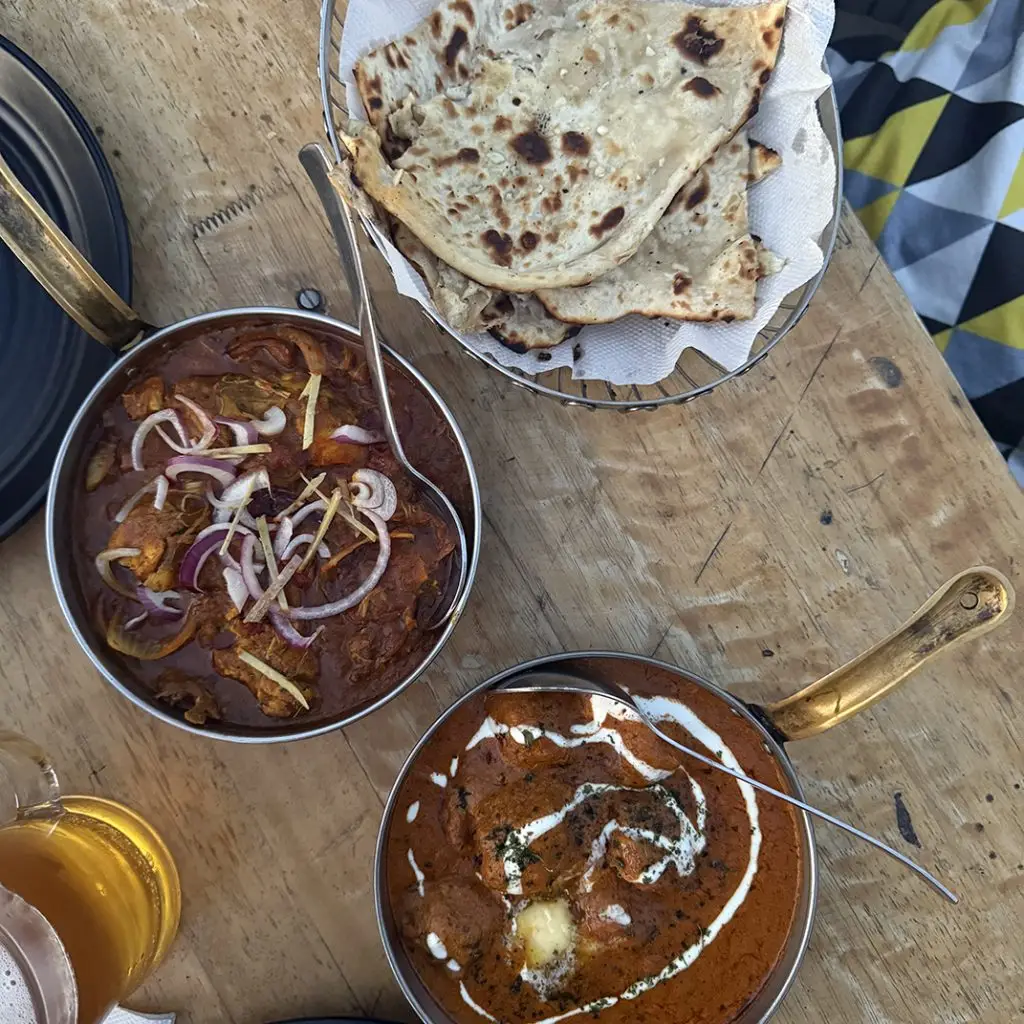
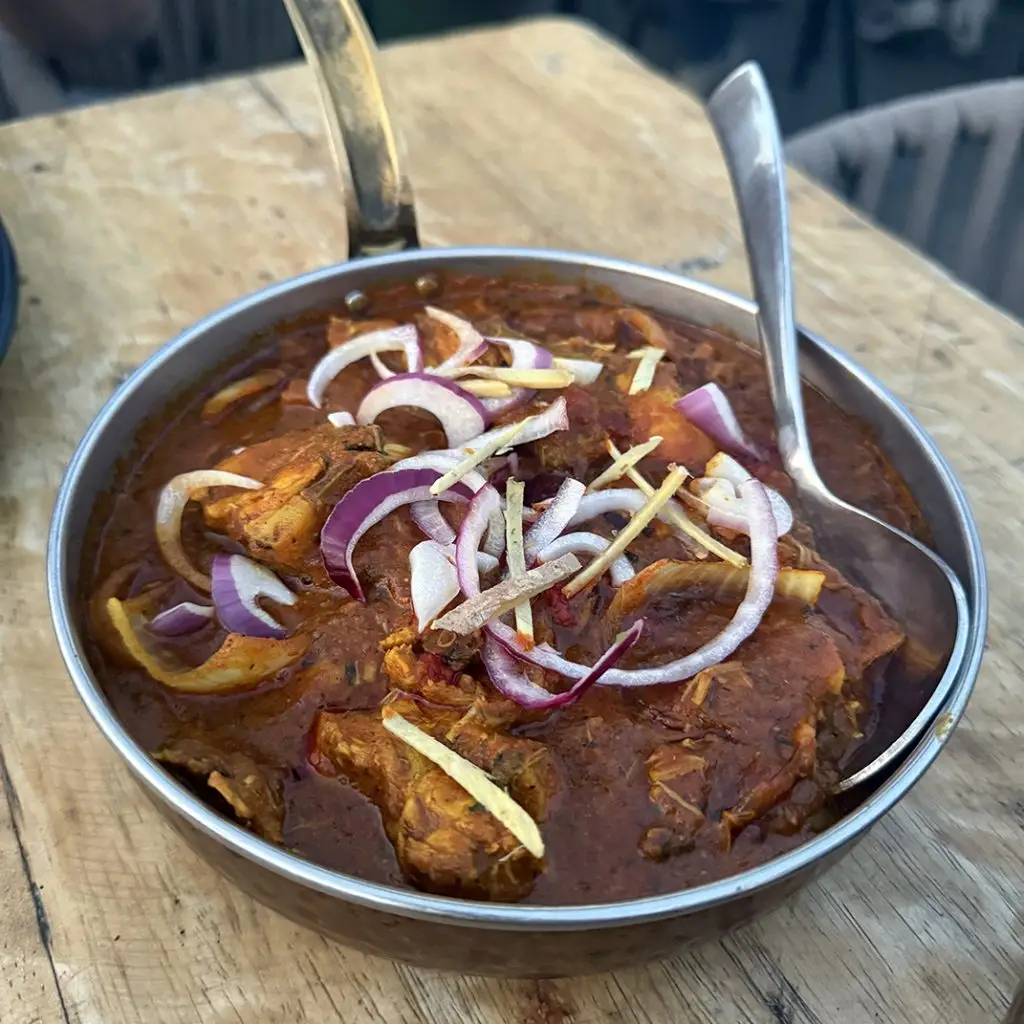
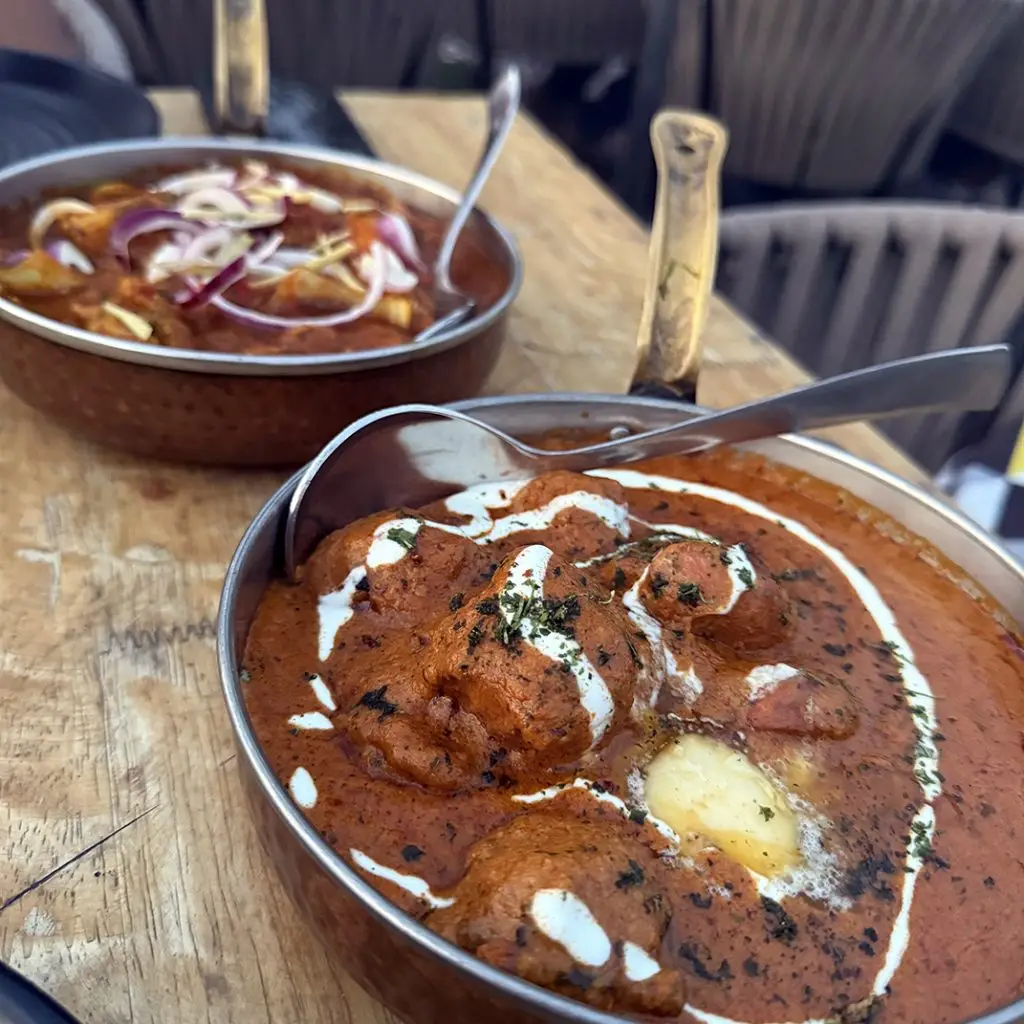
I would also recommend making time to enjoy some authentic North Indian food. During our stay, we had some absolutely delicious meals, including one of the best butter chicken dishes of our trip!
Entrance fee: FREE to explore the markets.
Are There Enough Things to Do in Agra Besides the Taj Mahal?
Absolutely! Although the Taj Mahal is the main reason many travellers visit Agra, I think the city deserves more than a quick stop.
From exploring Agra Fort and discovering the Baby Taj to visiting Guru Ka Taal and experiencing the local food, there are plenty of things to do in Agra besides the Taj Mahal.
If your schedule allows, I recommend spending at least two days exploring the city rather than trying to squeeze everything into a single day trip from Delhi.
How Much Does It Cost to Visit Agra?
One of the great things about visiting Agra is that it can be surprisingly affordable, whether you’re travelling on a budget or prefer a little more comfort. Your overall expenses will depend on your accommodation, transport, food and the attractions you choose to visit.
To help you plan your trip, here’s a quick breakdown of typical Agra sightseeing costs and other travel expenses.
- Attractions: The Taj Mahal entry fee for foreigners is ₹1,100, plus an additional ₹200 to enter the main marble mausoleum. Agra Fort costs ₹650 for foreign visitors, while Baby Taj costs ₹310.
- Accommodation: Budget hotels can cost around £10–£25 per night, while comfortable mid-range and heritage hotels typically range from £30–£80. Luxury hotels can cost considerably more.
- Transport: A private taxi from Delhi to Agra generally costs around £30–£60 one way, depending on the vehicle and pick-up location. Local auto-rickshaw journeys and taxis are usually more affordable.
- Food: Expect to pay approximately ₹150–₹400 for a simple meal at a local restaurant or ₹500–₹1,200 per person at a more upmarket restaurant.
What Is a Realistic Budget for 2 Days in Agra?
For a comfortable 2-day trip to Agra, I would recommend budgeting approximately £100–£180 per person, including shared accommodation, food, sightseeing and a private transfer from Delhi. This is an estimate rather than a fixed cost, and guided tours or luxury hotels will increase your budget.
From my own experience, Agra offers excellent value for money, especially considering how many incredible historical attractions you can visit. Booking your transport and accommodation in advance can also help you manage your travel budget.
Where to stay in Agra
After a busy day exploring the Taj Mahal, Agra Fort and the city’s other incredible attractions, having somewhere comfortable to return to makes all the difference.
Luckily, Agra has some beautiful accommodation options, from charming heritage hotels full of history to luxurious five-star resorts inspired by the Mughal era.
Whether you’re looking for a peaceful retreat, a little luxury or even a room overlooking the Taj Mahal, here are three hotels worth considering for your stay in Agra.
The Grand Imperial – Heritage Hotel
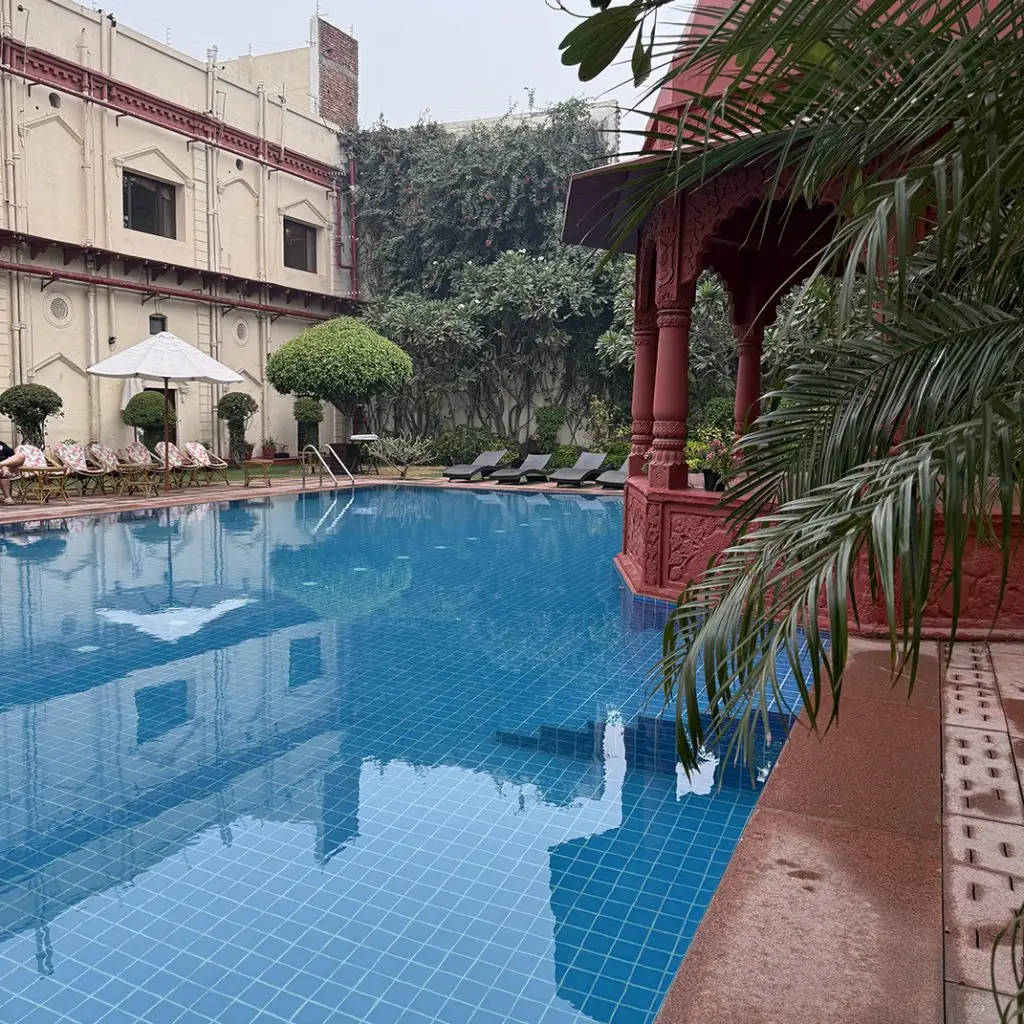
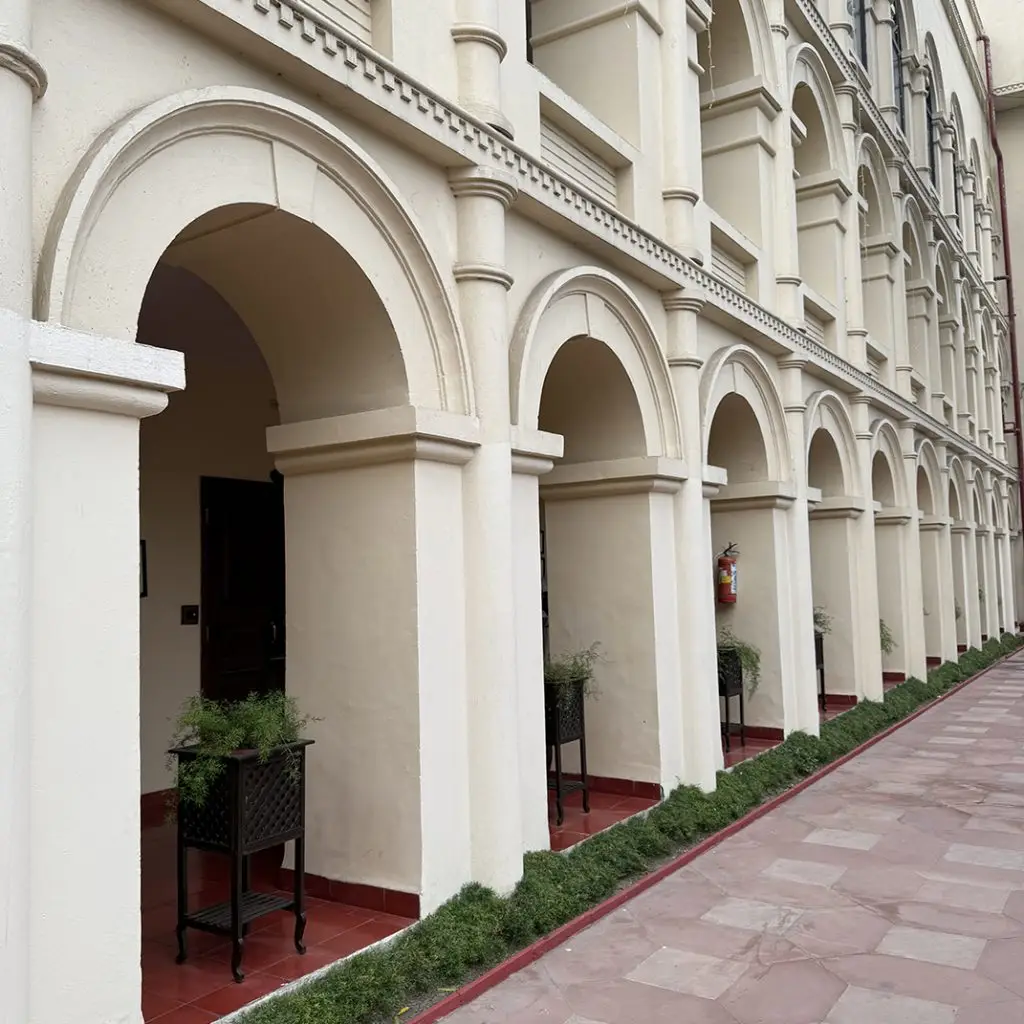
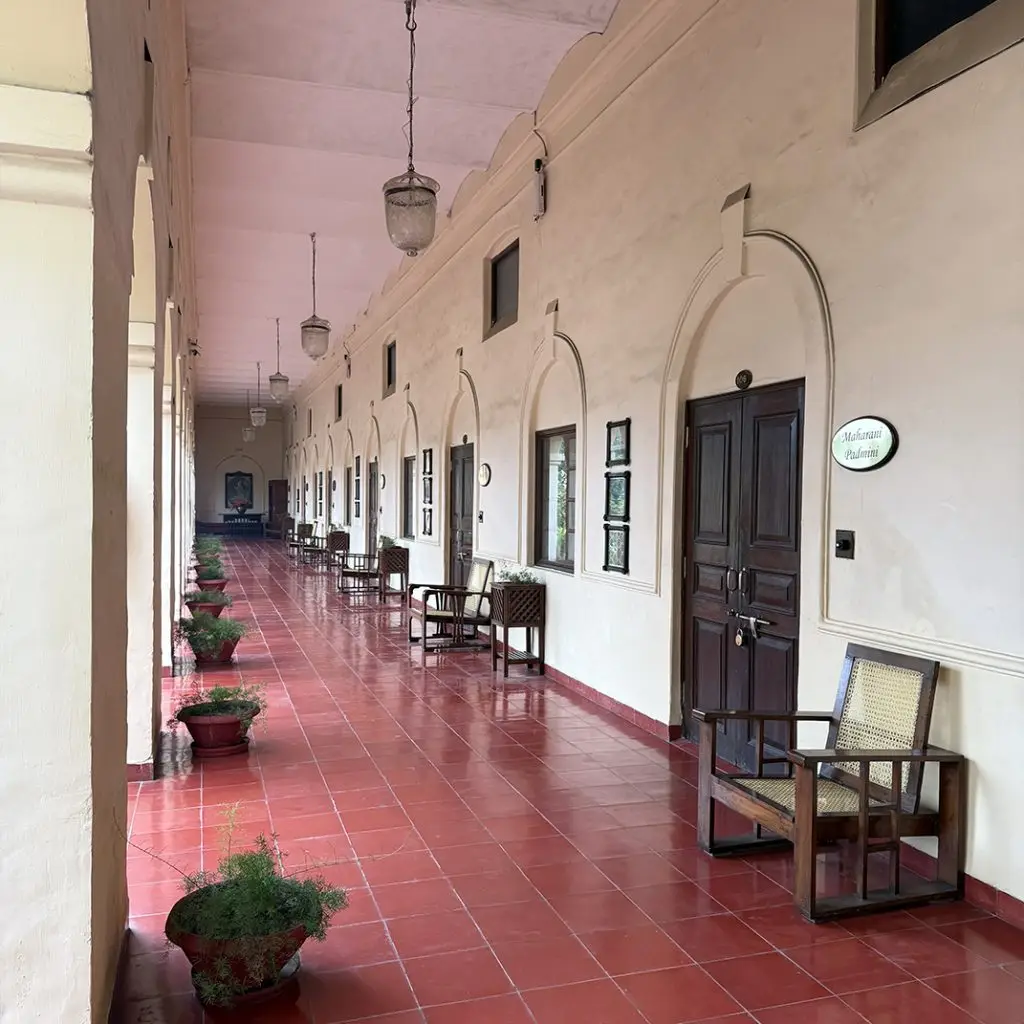
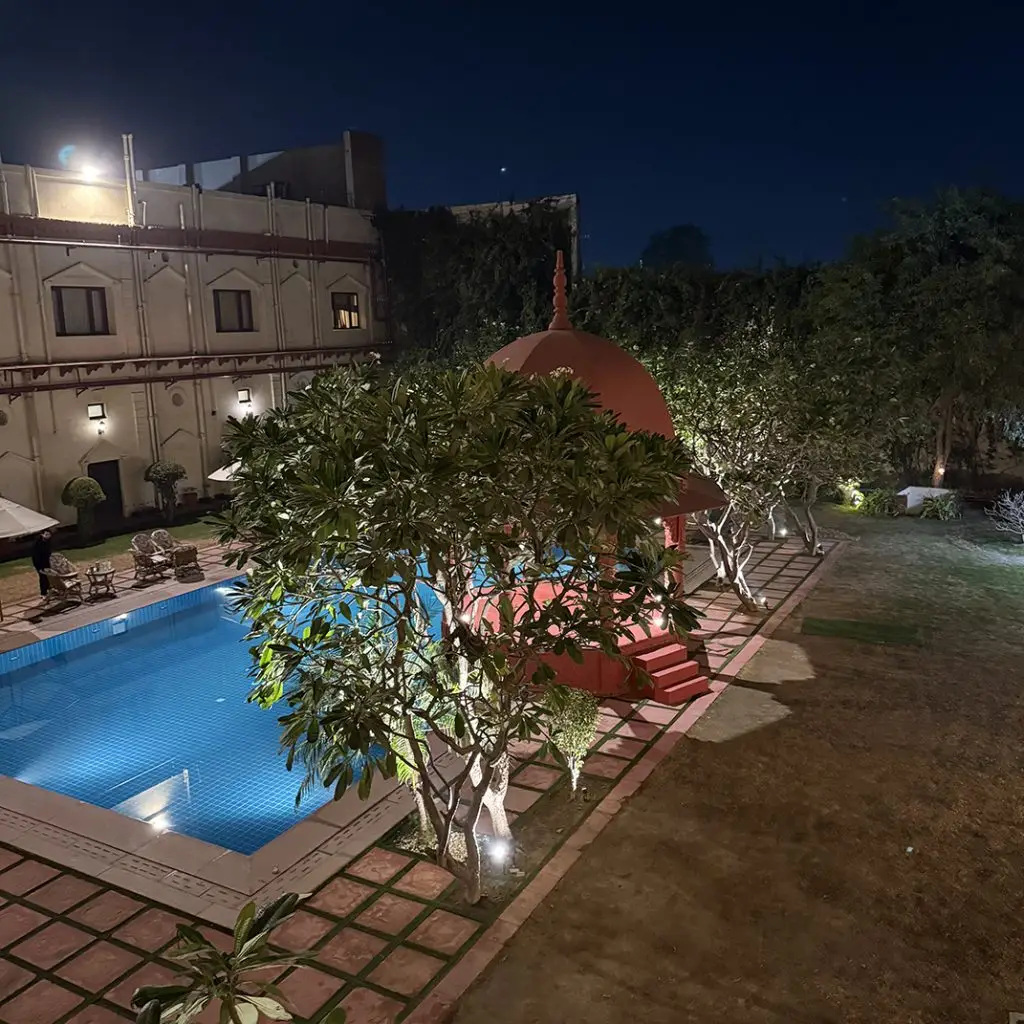
If you love hotels with history and character, The Grand Imperial is a lovely choice. Dating back to the early 1900s, this heritage hotel combines colonial-era charm with traditional Indian hospitality.
We stayed here during our visit to Agra, and I particularly loved the beautiful surroundings, welcoming staff and relaxed atmosphere. After a long day of sightseeing, having a swimming pool and peaceful gardens to enjoy was wonderful.
I also have to mention the food! We enjoyed some absolutely delicious meals at the hotel’s restaurant, including one of the best butter chicken dishes I’ve had in India.
If you’re looking for somewhere with a little more personality than a typical modern hotel, I’d definitely recommend considering The Grand Imperial for your stay in Agra.
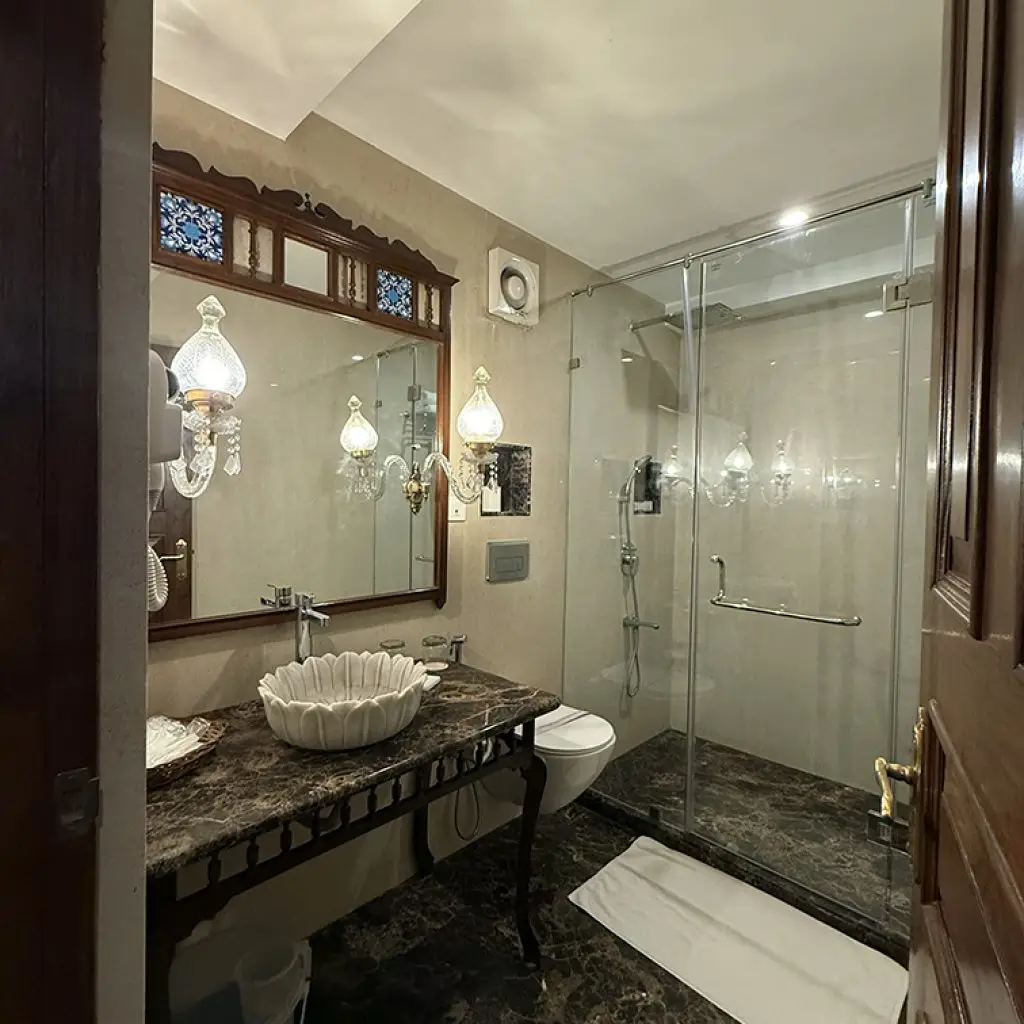

The Oberoi Amarvilas – Luxury with Taj Mahal Views
Imagine waking up, opening your curtains and seeing the Taj Mahal right outside your window!
That’s exactly what makes The Oberoi Amarvilas one of Agra’s most extraordinary luxury hotels. Located just 600 metres from the Taj Mahal, this beautiful five-star property offers uninterrupted views of the famous monument from every room and suite.
Inspired by traditional Mughal palaces, the hotel features elegant fountains, reflection pools, landscaped gardens and beautifully designed interiors. There’s also a luxurious spa and the opportunity to enjoy a romantic dining experience with views of the Taj Mahal.
It’s certainly a splurge, but if you’re celebrating a special occasion or simply want to make your visit to Agra extra memorable, this is one hotel worth looking at.
You can explore the rooms and check prices at The Oberoi Amarvilas here.
ITC Mughal – Mughal-Inspired Luxury and Relaxation
For travellers who want to combine sightseeing with a little relaxation, ITC Mughal, a Luxury Collection Resort & Spa, is another beautiful option.
Spread across 23 acres of landscaped gardens, this five-star resort takes inspiration from the grandeur of the Mughal Empire. Think beautiful courtyards, elegant architecture, fountains and peaceful green spaces that feel worlds away from Agra’s busy streets.
One of the hotel’s highlights is Kaya Kalp – The Royal Spa, an award-winning wellness retreat offering a range of traditional and contemporary treatments. It’s the sort of place where you could easily spend an afternoon unwinding after exploring the city.
With spacious accommodation, swimming pools and excellent dining options, ITC Mughal is particularly appealing if you’d like to enjoy a more resort-style experience during your time in Agra.
If that sounds like your kind of stay, you can take a closer look at ITC Mughal and compare room options here.
My Tip for Booking Accommodation in Agra
I recommend comparing accommodation prices before booking, as rates can vary considerably depending on the season, room type and how far in advance you book.
When is the best time to visit Agra?
I find that the best times to visit Agra are during the winter months, specifically from October to March. The weather is cool and pleasant, making it enjoyable to explore the city. This is when you can truly appreciate the beauty of the Taj Mahal in India and other historical sites without the heat weighing you down. The monsoon season, which runs from June to September, can be quite humid and rainy, so I suggest to avoid these months.
Places to eat in Agra
Agra is renowned for the Taj Mahal, but its culinary scene is just as remarkable. Heavily influenced by Mughal traditions, Agra’s food is rich, fragrant, and truly indulgent. Picture mouthwatering kebabs, soft naans, flavorful biryanis, and delightful desserts like petha, a sweet treat that the city is famous for. The current food landscape beautifully combines the old with the new, featuring heritage restaurants that serve time-honored recipes alongside trendy bars and rooftop cafes that offer breathtaking views of Mughal architecture. Whether you’re in the mood for fine dining or a laid-back spot to relax, Agra has something to satisfy your cravings.
Here are three exceptional dining spots in Agra that provide great atmosphere, delicious flavors, and a little something special.
Two Saints Bar – Stylish Cocktails & Modern Indian Fusion



For a chic night out in Agra, Two Saints Bar is a top-notch option. This modern bar combines a cosmopolitan vibe with a touch of Indian hospitality.
With its cozy lighting and comfortable seating, it’s a fantastic place to unwind after a day of sightseeing. The cocktail menu features unique drinks made with premium Indian spirits and local ingredients, offering a fresh take on classic cocktails.
The food selection includes Indian fusion dishes and international favorites, making it perfect for those craving bold flavors in a contemporary setting. It’s an excellent choice for a romantic dinner, a date night, or a sophisticated gathering with friends.
Tease Me Rooftop Café & Bar
With its laid-back bohemian atmosphere and breathtaking rooftop views, Tease Me Café & Rooftop Bar is a must-visit for anyone wanting to enjoy Agra from above. Conveniently located near the Taj Mahal, this café boasts one of the best panoramic dining experiences in the city.
The menu features a diverse array of Indian, Continental, and Chinese dishes—perfect for a variety of tastes. From wood-fired pizzas and creamy pastas to Indian curries and street food-inspired snacks, there’s something for everyone.
The open-air setting, adorned with twinkling fairy lights, creates a relaxed vibe that’s ideal for both lunch and evening gatherings. As the sun sets, the rooftop comes alive with guests enjoying food and drinks.
The Imperial Hotel Restaurant – Elegant Mughlai Dining
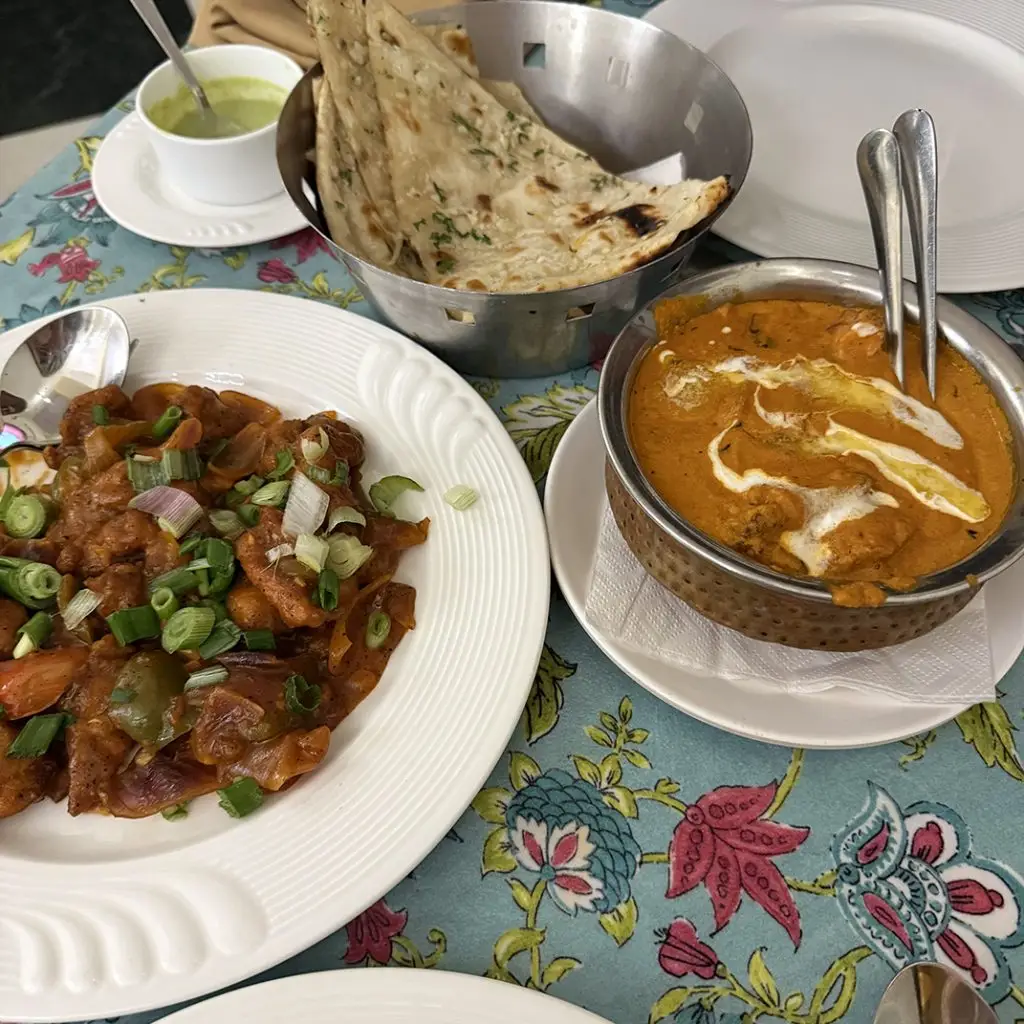

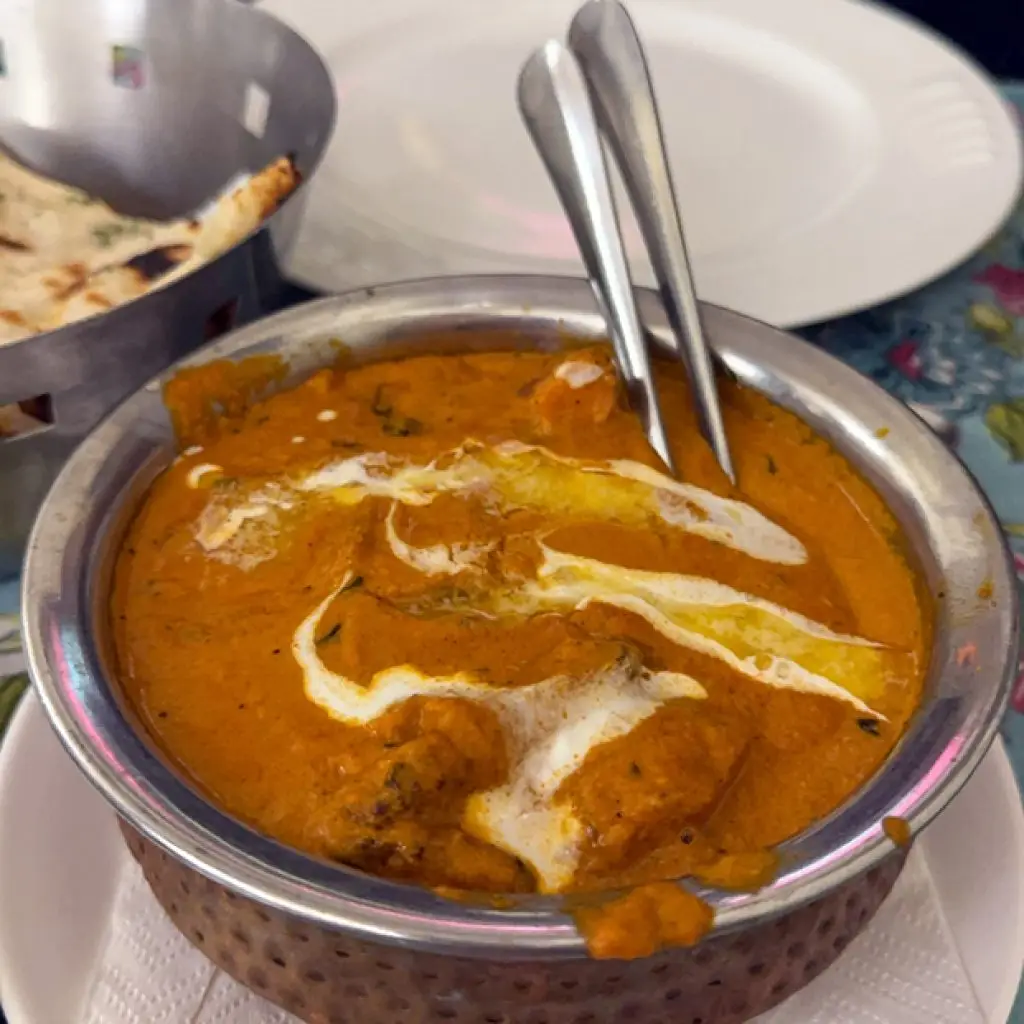
Location: The Imperial Hotel, Agra
If you’re craving classic North Indian dishes with a royal flair, the restaurant at The Imperial Hotel offers an authentic dining experience. This formal setting showcases a menu filled with Mughlai specialties, inspired by the grand kitchens of the Mughals.
Expect to savor dishes like mutton rogan josh, murgh makhani (butter chicken), aromatic biryanis, and freshly baked tandoor breads. The service is impeccable, and the ambiance radiates understated elegance—perfect for those seeking a refined dining experience.
Enhance your meal with a glass of Indian wine or a saffron-infused lassi for the ultimate royal experience.